“Why you’re struggling with German (and it’s not because of the grammar).”
German has a reputation for being a "tongue-breaker." But let’s be honest: the biggest obstacle isn’t der/die/das or trying to pronounce Rindfleischetikettierungsüberwachungsaufgabenübertragungsgesetz.
The real problem is how you feed your brain. Most students unknowingly use techniques that go directly against how human memory actually works.
So here are the 3 biggest mistakes that are sabotaging your German fluency:
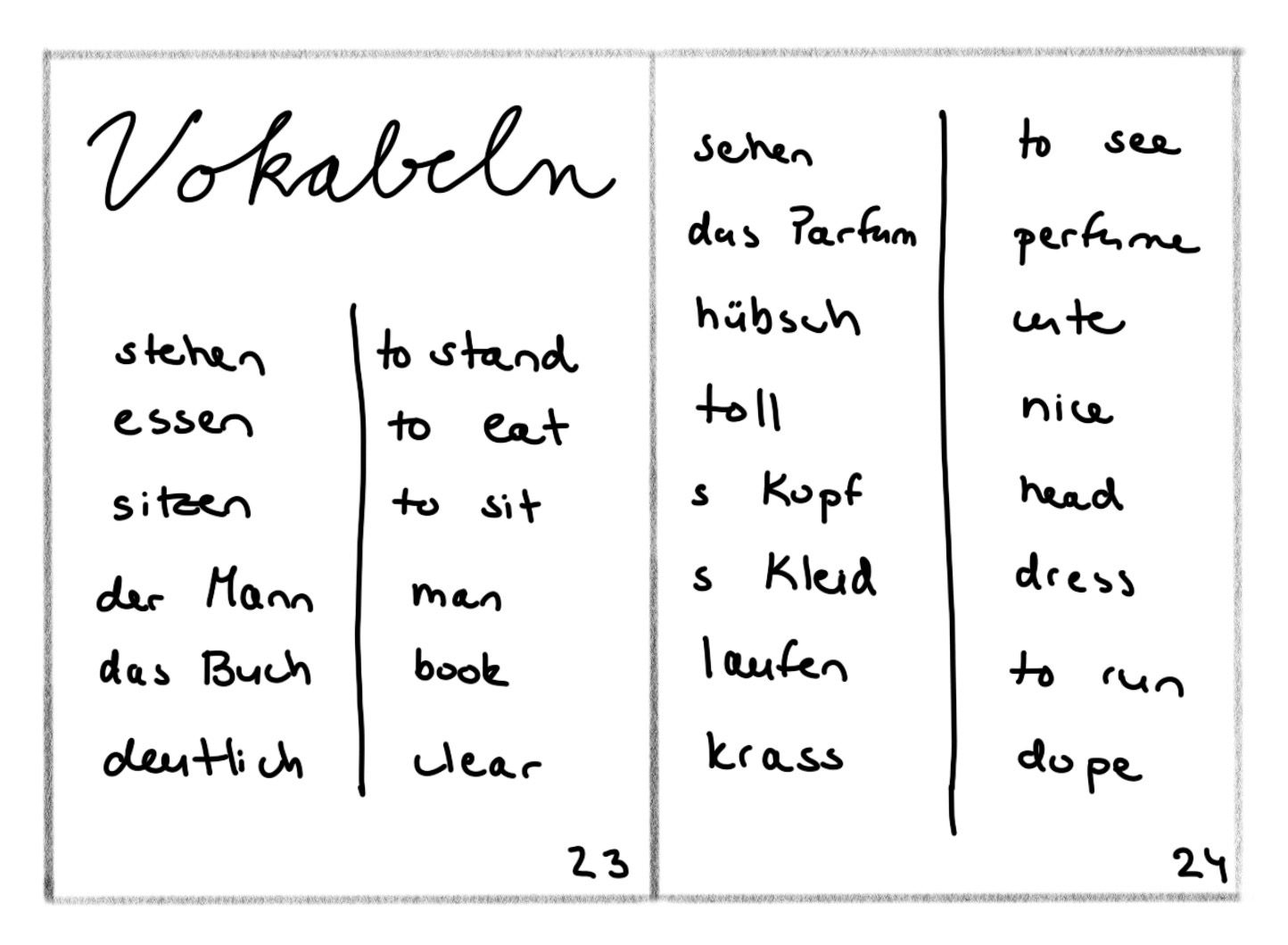
Do you remember school? A column of German words on the left, your native language on the right. In other words the fastest way to forget. Your brain isn’t a hard drive storing isolated data points; it’s a web of connections.
When you learn the word “fahren” (to drive/go) in isolation, it’s just a boring, gray box in your head. But when you learn it in a phrase like “Ich fahre mit dem Auto,” your brain creates a map involving a car, movement, and a specific grammatical structure.
Many people think they are studying when they re-read a list of words or watch a German movie with subtitles. This is called the Fluency Illusion. You feel confident because you recognize the word when you see it. But when you’re standing in a bakery in Berlin trying to order, your brain freezes.
That’s because the brain learns through retrieval, not passive consumption. Memory is like a muscle, it only grows when you force it to work.
We often have the ambition to learn 50 new words in one night. We pour German into our heads like a gallon of water and hope we don’t drown. The result? The next morning, we can’t even remember “Hallo.”
Your brain has a limited capacity for short-term intake. If you overwhelm it, it simply "trips the circuit breaker" and starts deleting new information immediately to protect itself.
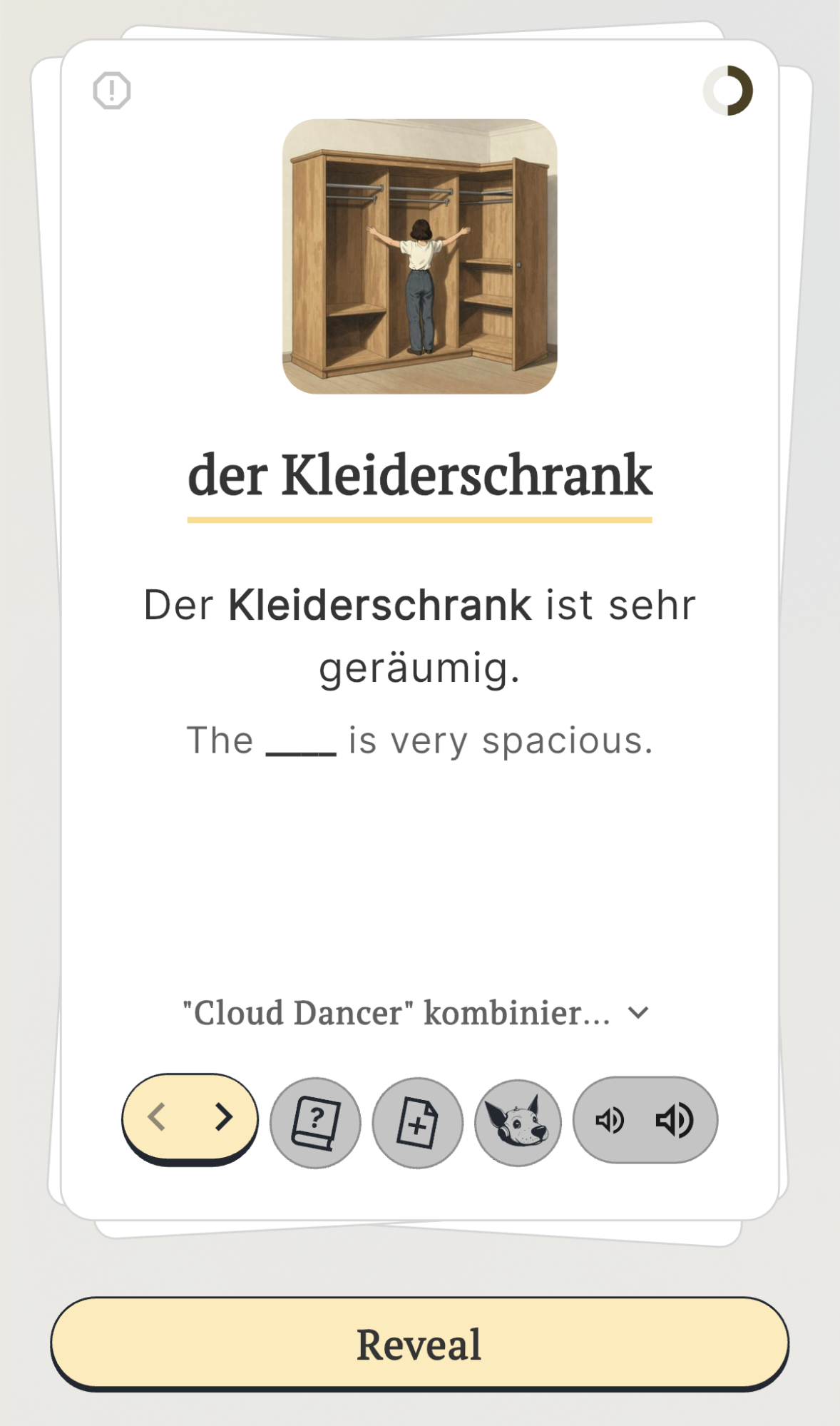
Learning German shouldn’t feel like a constant battle with your own memory. The goal is to work smart, not just hard. This is exactly why Vocabuo was built, to solve these mistakes for you:
Stop learning German like it’s 1950. Throw away the endless paper lists that end up in the trash. Start using techniques your brain actually loves. Learn in context, practice actively, and most importantly: do it in small, consistent doses!
Your German isn’t the problem. Your system is. So change the system. :-)
