“The science of the Forgetting Curve and how to beat it.”
Once upon a time, in the late 19th century, there was a scientist who became obsessed with a single, frustrating question: Why does the human mind let go of the things it just learned?
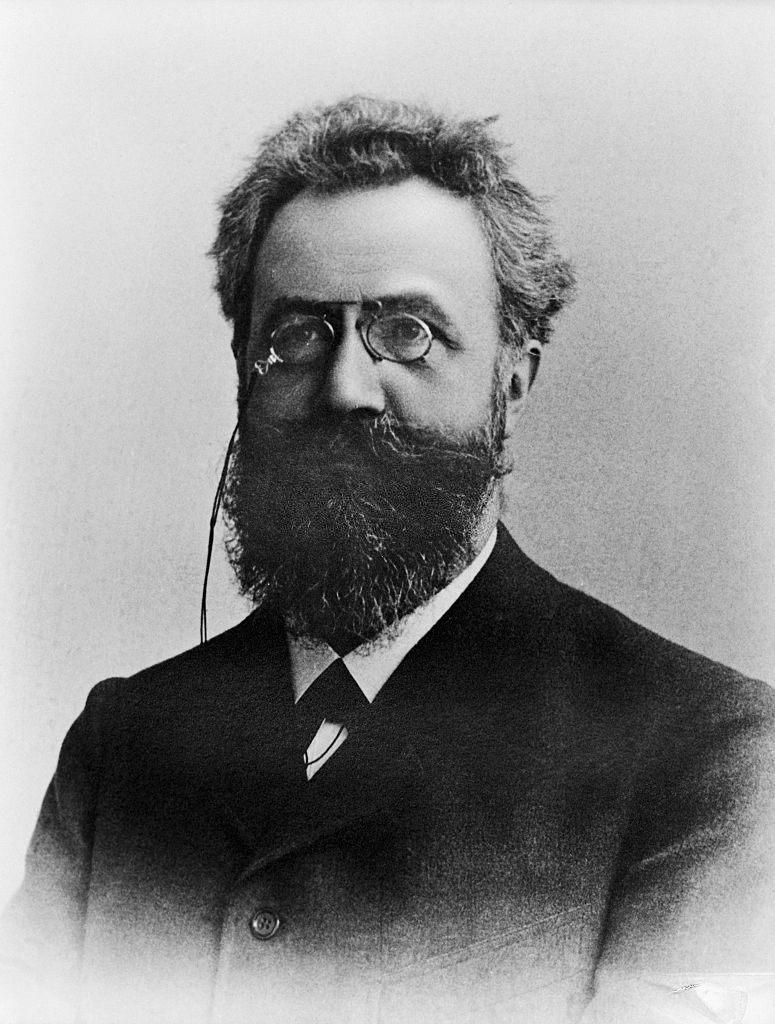
His name was Hermann Ebbinghaus. Unlike other researchers who studied animals or patients, Ebbinghaus turned himself into a human laboratory. For years, he spent his days memorizing thousands of nonsense syllables, meticulously timing how long it took for them to vanish from his mind. He wasn’t just a scientist; he was the first person to draw a map of the “black hole” in our memory.
What he discovered, now famously known as the Forgetting Curve, is the reason why that German or Spanish word you learned an hour ago is already gone.
Ebbinghaus’s data, which is still a cornerstone of cognitive psychology at institutions like the University of Waterloo, revealed a brutal pattern. He found that without any effort to retain it, information doesn’t just fade: it plunges.
According to his findings, archived by Harvard University, you lose roughly 50% of all new information within the first hour. By the next day, you’re lucky if you remember 30%. It’s as if your brain has a biological “delete” button that is constantly being pressed.
It’s easy to feel frustrated, but as BBC Future explains, your brain is actually doing you a favor. We live in a world of information overload. If your brain remembered every street sign and grocery price you ever saw, it would crash.
Your brain acts like a high-end filter. It only keeps what it thinks is vital for survival. If you don’t “signal” to your brain that a specific word, like die Herausforderung, is important, it treats it like junk mail and tosses it out.
Ebbinghaus didn’t just find the problem; he found the cure. He realized that if you review a word at the exact moment your memory starts to dip, the curve “flattens.”
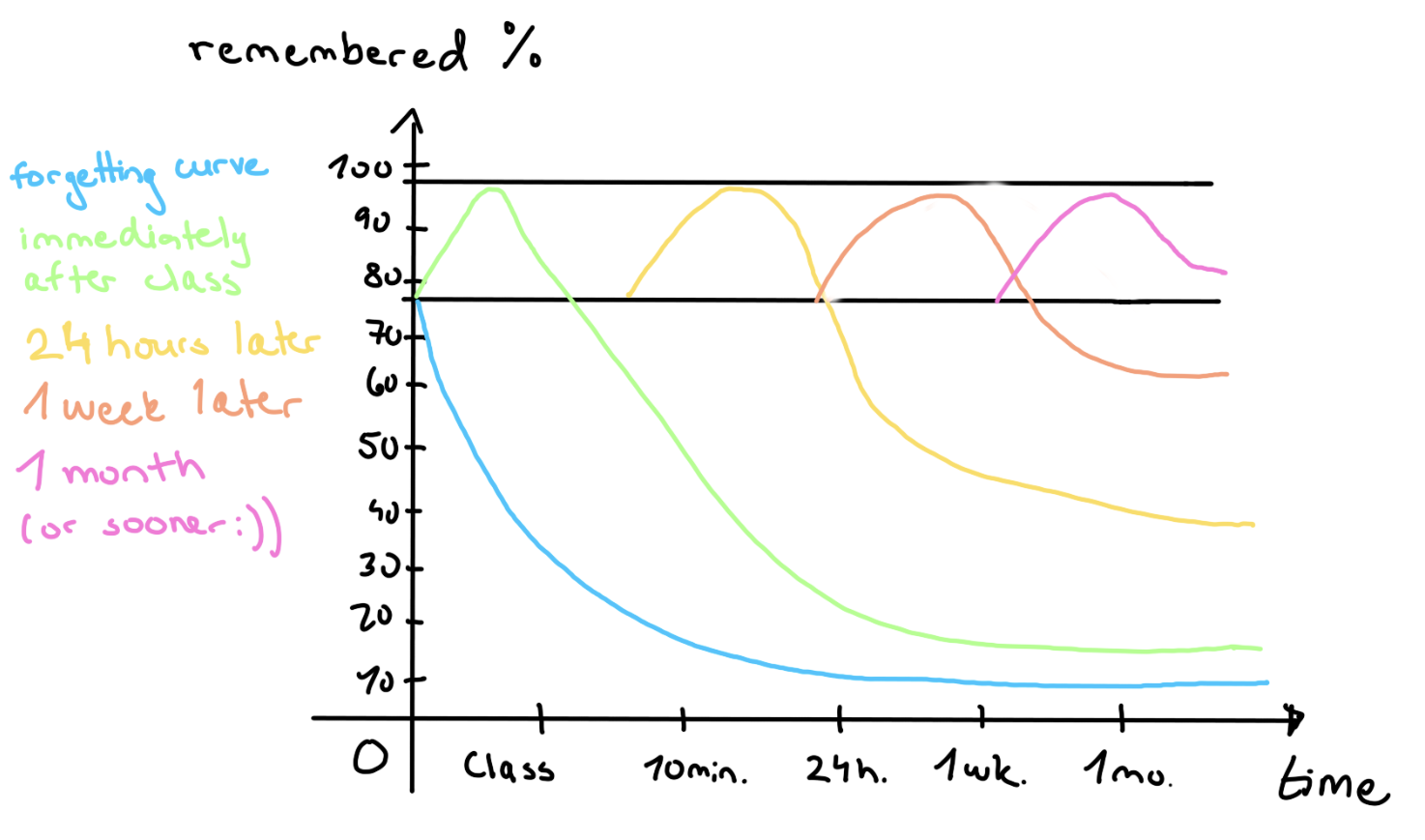
This is what scientists call Spaced Repetition. As research from NASA on training retention points out, spacing out your learning is the single most effective way to move knowledge into long-term storage. Each time you review, the “Night Shift” in your brain (as we discussed in our sleep article) has another chance to lock that word into your permanent filing cabinet.
You don’t need to be a scientist like Ebbinghaus to master your memory. You just need the right tool. This is exactly why Vocabuo was built. It uses these 100-year-old scientific principles and turns them into an algorithm that:
Hermann Ebbinghaus proved that forgetting isn’t a sign of weakness, it’s just how we are built. But he also proved that with the right timing, we can remember almost anything.
Stop fighting the curve. Start hacking it. Your memory isn’t broken; it’s just waiting for the right signal to hit “Save.”
