“Train your long-term memory while you dream with the science of Sleep Consolidation.”
The truth is, you don’t learn Italian only while you’re looking at your screen. You learn it while you’re asleep.
We often think of sleep as "off-time" for our brains, a period of rest where nothing happens. But when it comes to learning a new language, sleep is actually the most productive part of your day. It’s the moment your brain moves those tricky irregular verbs from your "temporary junk drawer" into your long-term memory.
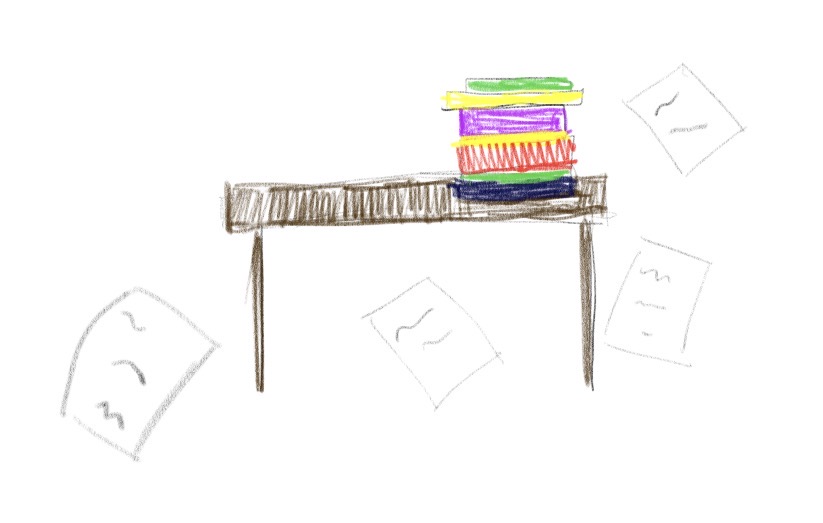
Imagine your brain as a busy office. During the day, you’re constantly receiving new "files" (new words like birra, bambini, or bottiglia). You pile them up on your desk. By 10:00 PM, your desk is a mess.
When you fall asleep, the "Night Shift" arrives. Their job is a process scientists call Memory Consolidation. They take those messy files from your desk (aka short-term memory) and carefully file them away into a massive, permanent filing cabinet (aka long-term memory).
If you don’t sleep enough, the Night Shift gets #cancelled. The files stay on the desk, and by the next morning, half of them have blown away.
Language learning is a complex beast, and it needs two specific types of sleep to work its magic:
Science has discovered a powerful hack called "Sleep-dependent memory consolidation." Research shows that people who study in the evening, sleep, and then do a quick review the next morning, remember up to 50% more than those who study only during the day.
Sleep isn’t just a break; it’s your biological "Save Button." Without it, you are essentially typing a long essay and then closing the laptop without hitting Save.
You don’t need to change your whole life; you just need to work with your biology:
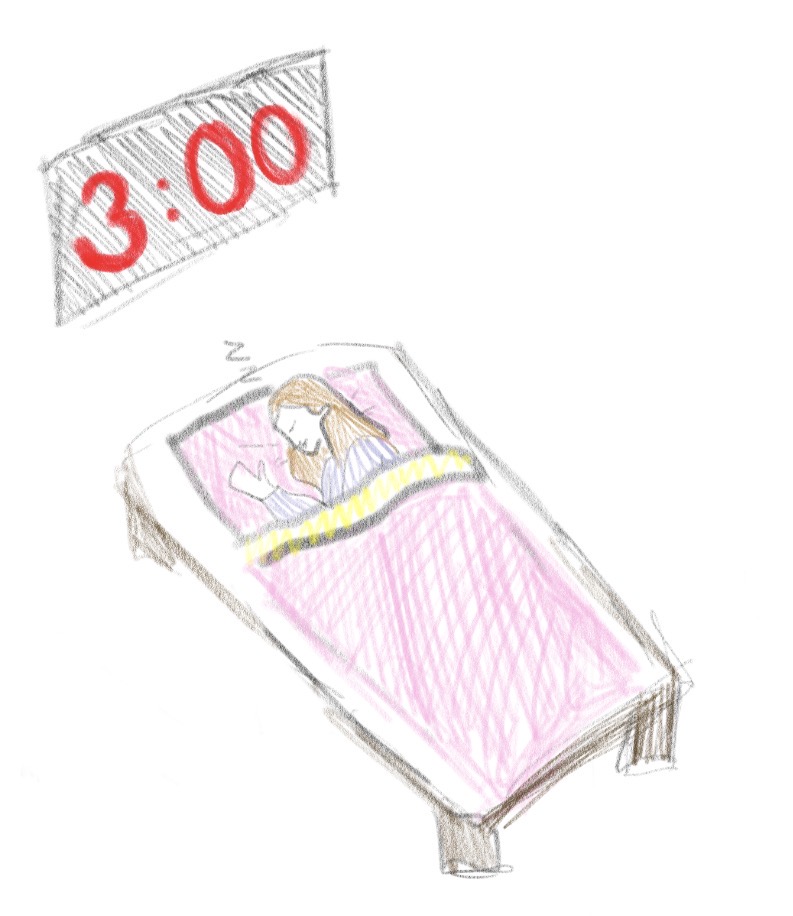
Stop the midnight cramming. You can’t "brute force" your way to fluency if you don’t let the night shift happen. Use Vocabuo to plant the seeds in the evening, and let your brain do the hard work while you sleep. Your future fluent self will thank you for the extra rest!
