Should I learn vocabulary by theme or frequency?
“The battle between organized lists and the words you actually need.”
When you open a traditional textbook, Chapter 1 is usually "Greetings," Chapter 2 is "The Classroom," and Chapter 3 is "The Family." This is Thematic Learning. It feels organized, logical, and neat.
But then you look at a frequency list, the top 500 words used in a language, and you see a chaotic mix of verbs, pronouns, and prepositions like is, with, go, and that.
Which strategy should you pick? Let’s look at the evidence.
The Problem with Themes: "Interference"
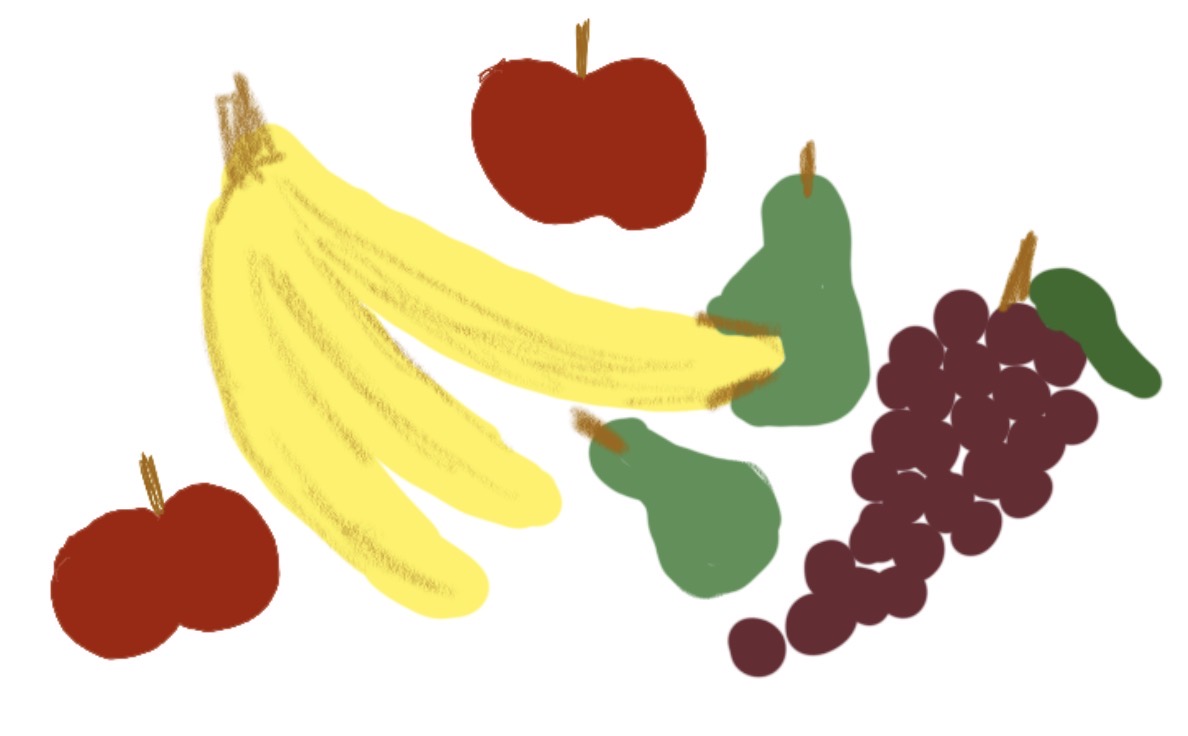
Surprisingly, learning by theme can actually slow you down. Cognitive psychologists call this Interference.
When you learn the words for "Apple," "Pear," "Peach," and "Plum" all at the same time, your brain stores them in the same "folder." Because they are so similar, your brain often gets them mixed up. This is why you might know the word for "Fruit" but struggle to remember if manzana was the apple or the pear.
The Power of Frequency: The 80/20 Rule
Language follows the Pareto Principle: 20% of the vocabulary accounts for 80% of the total language used in daily life.
If you learn the most frequent 1,000 words in German, you will understand about 75% of a standard movie or book. If you spend that same time learning the names of 1,000 different insects or specialized tools, your "real-world" comprehension will still be near zero.
According to research from Victoria University of Wellington by linguist Paul Nation, focusing on high-frequency "service words" is the most efficient way to build a foundation for communication.
The Verdict: Which one wins?
While frequency is the king of efficiency, it has one weakness: it can be boring. Learning the word "the" isn’t as exciting as learning the word "dragon."
The winner? A hybrid approach.
- Start with Frequency: Focus on the top 500–1,000 words. These are the "glue" that hold the language together.
- Add Personal Relevance: Instead of a generic theme like "The Office," learn words related to your job or your hobbies. Research from the University of Cambridge suggests that information is better retained when it is "personalized."
- Context over Categories: Don’t learn a list of fruits. Learn a phrase: "I want to buy an apple." This gives your brain different "hooks" (a verb, a pronoun, a noun) to hang the information on, reducing interference.

How Vocabuo solves the debate
This is exactly why Vocabuo doesn’t force you into rigid, boring chapters.
- Smart Selection: The app prioritizes vocabulary that is statistically likely to appear in real life, ensuring you aren’t wasting time on "rare" words.
- Sentence-Based Learning: By presenting words in sentences rather than themed lists, Vocabuo eliminates the "Interference" problem. You learn how words work together, not just how they sit in a category.
- Dynamic Spacing: Once you learn a frequent word, the app ensures it is locked into your long-term memory using the Spacing Effect we’ve discussed before.
Final Thought
Don’t learn words just because they belong in the same "box" in a textbook. Learn them because you will actually use them tomorrow. Frequency gives you the power to speak; personalization gives you the reason to stay motivated.
Sources & References:

 Learn English
 Learn Spanish
 Learn French
 Learn German
 Learn Italian
 Learn SwedishLearn SmarterSpaced RepetitionReviews timed to land right before you would forget, so words stick for good.Word ListsLearn exactly the vocabulary you need, from CEFR lists to songs and books.Learn from ContentTurn the books, articles and videos you love into vocabulary lessons.CEFR LevelsA1 to C2 explained, and how to learn the right vocabulary for yours.