Top 5 Best LingQ Alternatives for Learning Languages from Real Content
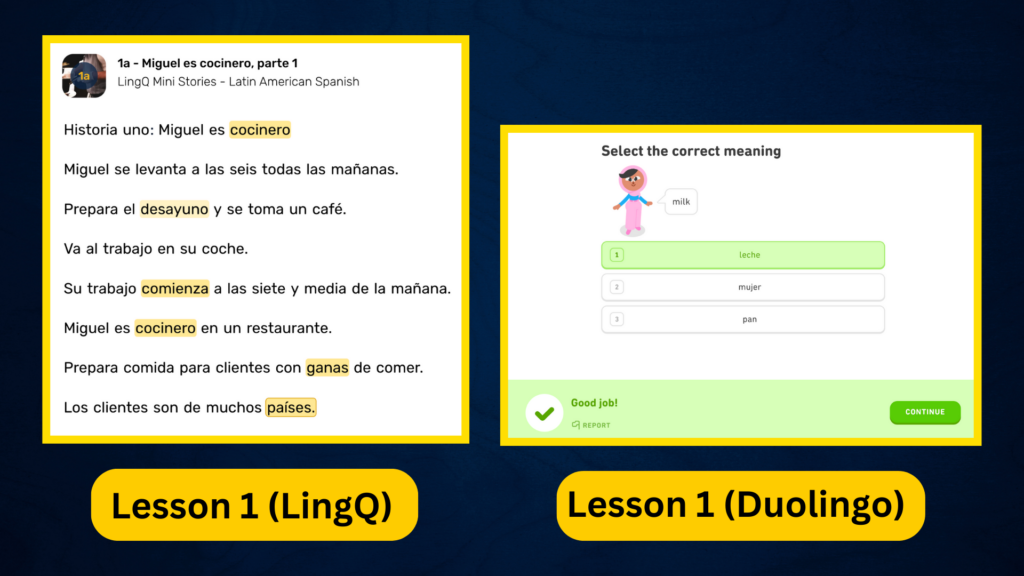
If you’ve tried LingQ, you already know its core pitch: the best way to master a language is by reading and listening to authentic native content, not by drilling repetitive beginner exercises.
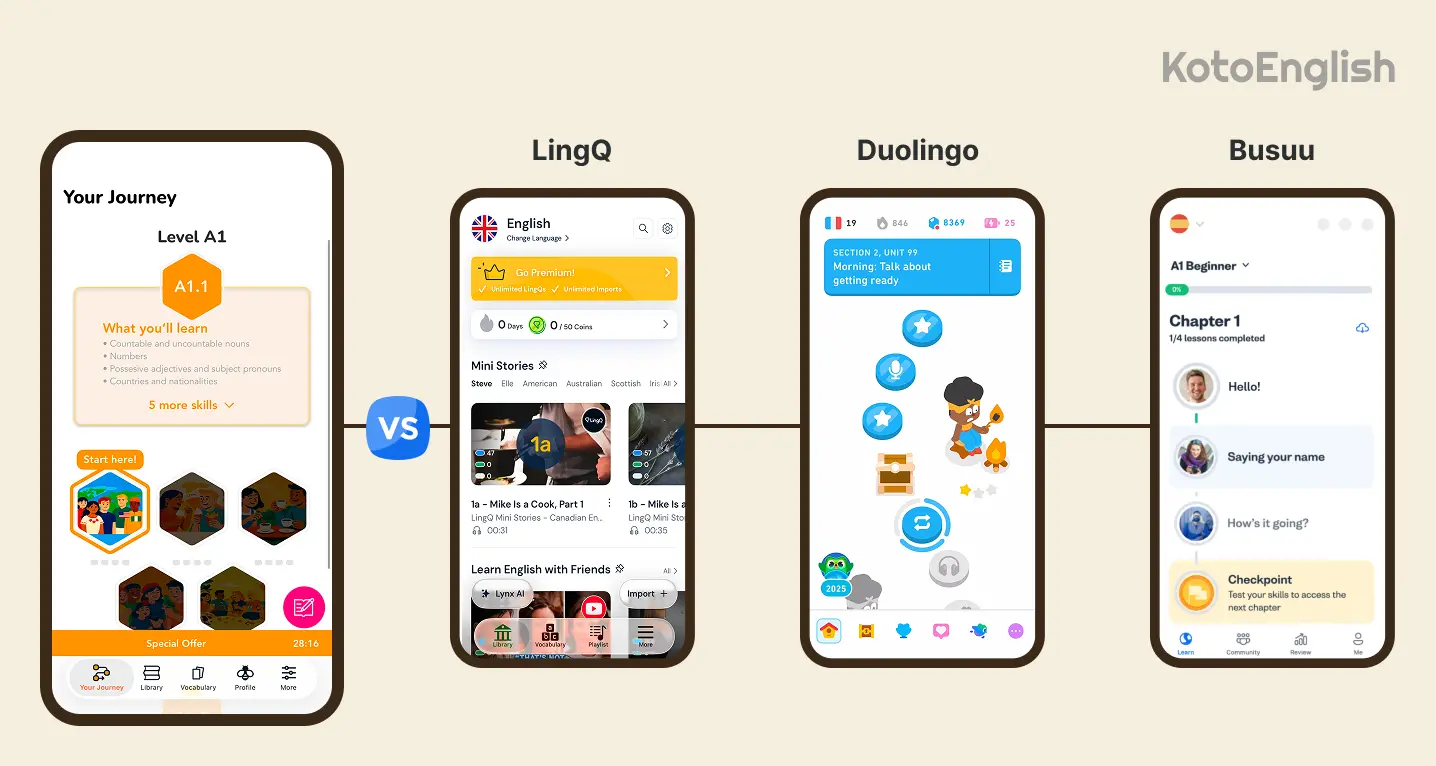
It’s a brilliant concept, but LingQ isn't for everyone. For many learners, its interface feels bloated, the high monthly subscription cost doesn't match the dated user experience, and managing every single word status turns reading into an administrative headache.
Fortunately, content-based language learning has evolved. Whether you're looking for a cleaner design, better AI tools, or a smoother vocabulary review system, here are the top 5 best LingQ alternatives to consider.
Vocabuo: The Best Overall Friction-Free Reader & Smart SRS
If LingQ feels overwhelming, Vocabuo is its streamlined, modern evolution. It takes LingQ’s core premise, learning words in context through real-world reading, and strips away the clunky clutter.
Instead of color-coding every single word on the screen, Vocabuo provides a clean, distraction-free reader for web articles, news, and videos. When you hit an unfamiliar word, a single tap reveals its translation and context.
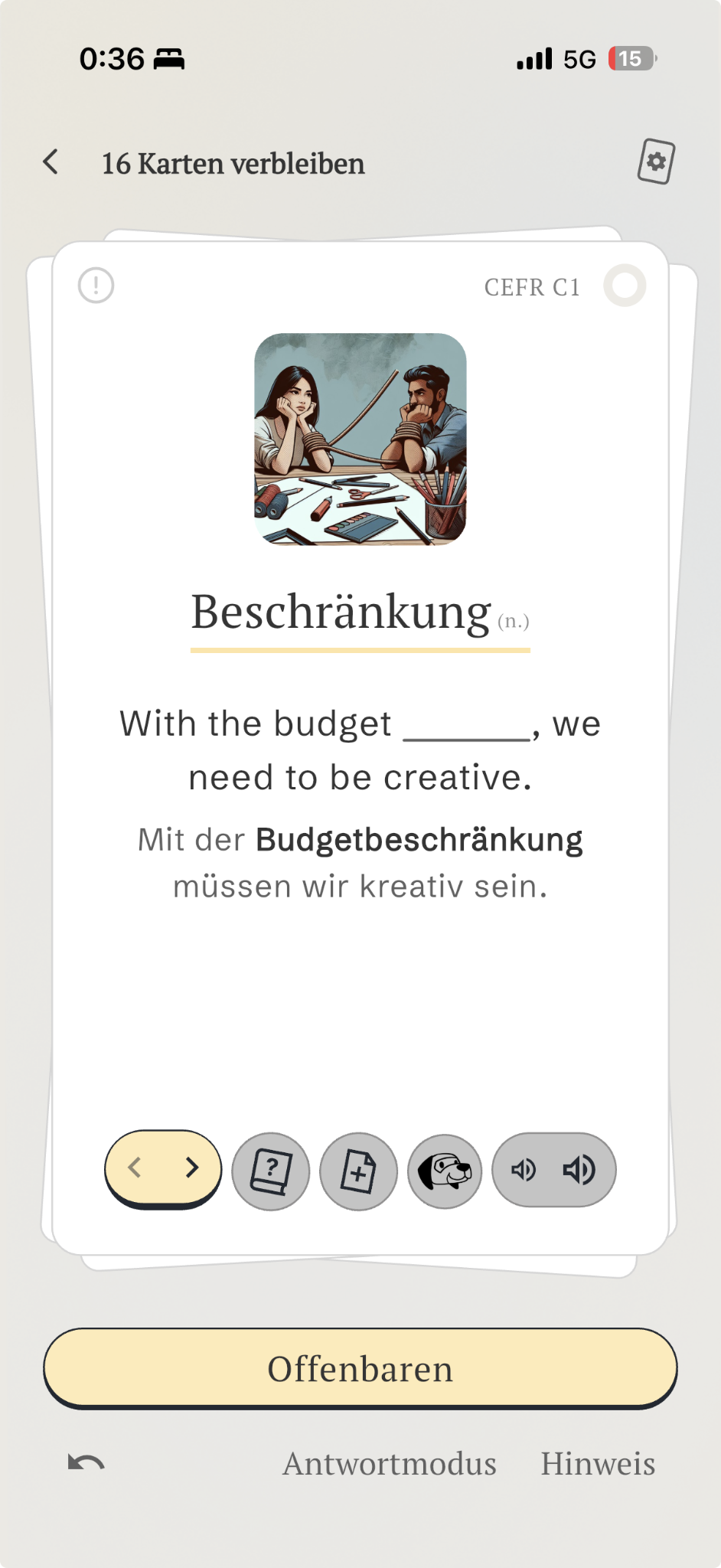
The biggest upgrade, however, is what happens after you read:
- Automatic AI Context Cards: Unlike traditional flashcard setups like Anki, Vocabuo automatically captures the exact sentence where you found the word and generates context-rich flashcards.
- Zero Admin Time: You don't spend time manually setting word levels or managing decks.
- Smart SRS: It leverages an automated Spaced Repetition algorithm that targets active memory, helping learners break through the dreaded B1 language plateau.
Best for: Learners who want the power of LingQ without spending half their study time configuring settings and managing spreadsheets.
Readlang: The Best Minimalist Web Extension
Readlang has been a favorite among web-focused samouks for years. It operates primarily as a browser extension that turns any web page into an interactive reading lesson.
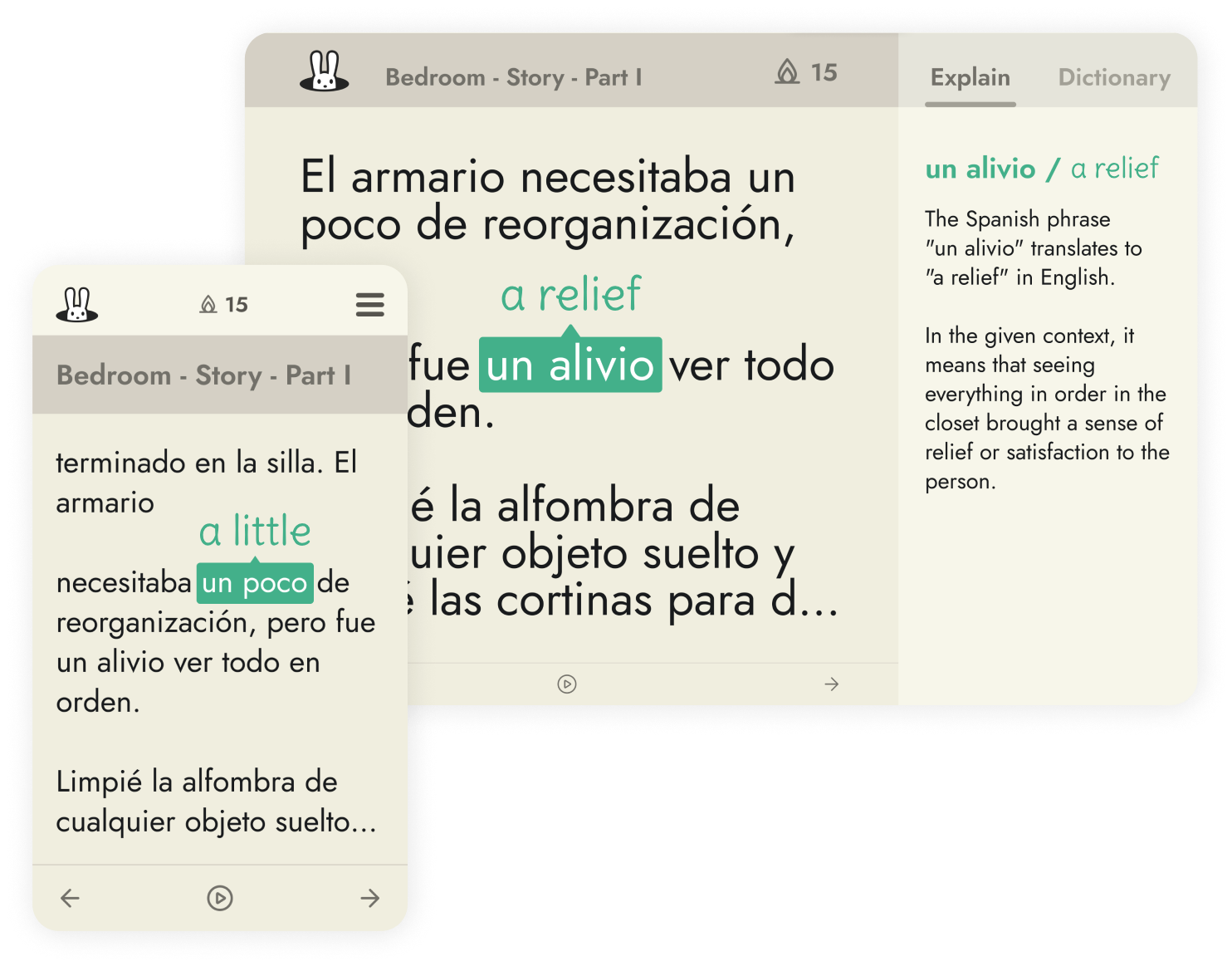
When you click a word or phrase on any site, Readlang translates it instantly above the text and automatically saves it to your flashcard deck.
Pros: Lightweight, highly customizable, and extremely easy to use while browsing the internet on a desktop.
Cons: The flashcard review system and mobile experience are very basic compared to modern AI-driven apps.
Best for: Desktop readers who want to read news and articles on the open web without importing text into a dedicated app.
Beelinguapp: The Best Side-by-Side Audio Reader
For learners who rely heavily on listening practice alongside reading, Beelinguapp offers a distinct approach. Instead of highlighting individual words like LingQ, it presents text in a split-screen layout (target language on top, native language below) synced with audio narration.
Pros: Great karaoke-style audio syncing for practicing listening comprehension.
Cons: Having your native language visible under the text creates a "translation crutch" that delays true immersion, and its vocabulary review tools are minimal.
Best for: Early-intermediate learners who want line-by-line audiobooks and short stories with full native translations.
LWT (Learning With Texts): The Open-Source Power-User Option
Before LingQ gained widespread popularity, Learning With Texts (LWT) provided a similar experience for free. It is an open-source software project that you install locally on your computer or server.
Pros: 100% free, highly customizable, and completely private.
Cons: Requires technical knowledge to install and host locally, lacks a native mobile app, and has a very outdated interface.
Best for: Tech-savvy language enthusiasts who want total control over their data without paying a monthly subscription.
Langua: The Best AI-Focused Immersion Platform
Langua is a newer entrant into the content-based learning space. It focuses heavily on integrating generative AI into authentic content consumption. It offers interactive transcripts for podcasts, YouTube videos, and stories, along with built-in AI conversational chat.
Pros: Excellent podcast and video transcript integration with AI explanation features.
- Cons: Can be expensive, and the user interface still carries a noticeable learning curve.
Best for: Intermediate-to-advanced learners who want to combine authentic audio/video consumption with interactive AI conversations.
Quick Comparison: Top LingQ Alternatives
| App | Key Advantage | Learning Curve | Primary Focus |
|---|
| Vocabuo | Modern UX, automated AI sentence cards & smart SRS | Zero | Seamless reading & active vocabulary |
| Readlang | Simple web browser extension | Low | Web page translation |
| Beelinguapp | Karaoke-style audio & split-screen text | Low | Audiobooks & bilingual stories |
| LWT | 100% free & open-source | High | Desktop text parsing |
| Langua | Integrated AI chat & podcast transcripts | Medium | Audio/Video transcripts & AI chat |
The Verdict: Which LingQ Alternative Is Right for You?
If you quit LingQ because it felt like work rather than reading, you don't have to give up on context-based learning altogether.
- If you want to read on your browser for free, try Readlang.
- If you prefer bilingual audiobooks, check out Beelinguapp.
- If you want to turn real content into an effortless, active vocabulary habit with zero admin friction, give Vocabuo a try today.
Sources
- Krashen, S. (1982). Principles and Practice in Second Language Acquisition. Pergamon Press. [Link](https://www.sdkrashen.com/)
- Nation, I. S. P. (2013). Learning Vocabulary in Another Language. Cambridge University Press.
- Vocabuo Blog. Vocabuo vs. Anki: Which Vocabulary App Helps You Remember More? [Link](Vocabuo vs Anki: which vocabulary app actually helps you remember more?)
- Vocabuo Blog. The Language Learning Plateau: Why You're Stuck at B1 (and How to Break Through) [Link](The language learning plateau: Why you’re stuck at B1 (and how to break through))
- Vocabuo Blog. What is Spaced Repetition? Link

 Learn English
 Learn Spanish
 Learn French
 Learn German
 Learn Italian
 Learn SwedishLearn SmarterDictionaryLook up words in the Vocabuo dictionary.Spaced RepetitionReviews timed to land right before you would forget, so words stick for good.Word ListsLearn exactly the vocabulary you need, from CEFR lists to songs and books.Learn from ContentTurn the books, articles and videos you love into vocabulary lessons.CEFR LevelsA1 to C2 explained, and how to learn the right vocabulary for yours.

